AI gets you 80%. We are the ones who finish the last 20%.
That last twenty percent is where products get judged: the empty states, the permissions, the table that has to hold 400 rows, the chart that has to be right. We build the front end of security and enterprise products to production standard, in your repo, alongside your team.


















Front-end engineering in your language
React, Vue, Angular, and Svelte. We build in the framework your team already runs, matched to your patterns and conventions. Typed, tested, and reviewed, so the code reads like your team wrote it, not handed over as a pile.
Data visualization
Dense charting, timelines, and graph views for products where the data is the value. We wrote and maintain reaviz, the open-source charting library a lot of this industry already uses.
Design system implementation
Tokens and components in code, documented, so the fifth table looks like the first and nobody re-decides a modal.
Prototype to production
The AI-generated or rough version, taken to something you can ship: real state, real permissions, real error paths.
Performance and accessibility
Render budgets under real data volume, keyboard paths, and the enterprise accessibility answers your buyers ask for in security review.
Ship and hand back
Merged, documented, and handed to your engineers, or we stay on the workstream. Your call, not a default.
From first commit to production in ten days.
Scope is set before day one, so two weeks is a commitment rather than an estimate. Larger surfaces run as consecutive sprints, one problem each.
Wire in
Repo access, CI, environments, and the ticket list. We read the code before we write any.
You: access and one kickoff, 60 min
Build
Components and screens in your stack, opened as normal PRs against your branch strategy.
You: review PRs when it suits you
Harden
Edges, error paths, empty states, keyboard, and performance under real data volume.
You: nothing new; QA with us if you want
Ship
Merged, documented, walked through with your engineers so they can maintain it.
You: one handoff session, 60 min
Total from your side: about three hours plus normal PR review. We work inside your process rather than beside it.
You get: merged code in your repo · components documented against your design system · tests at the level your repo already holds · a performance and accessibility pass · a handoff session. You own all of it. There is no license, no wrapper, and nothing to unwind if we stop.
Products arrive in one of three states.
Almost every engagement starts as one of these. If you recognize yours, the first sprint more or less scopes itself.
The prototype that demos and will not ship
Built fast, often by AI or one heroic engineer over a weekend. It works on the happy path with twelve records, then falls over on permissions, real volume, or anything a user does out of order.
You know it is this one when: the demo tenant is the only one anyone opens.
The design system that only exists in Figma
Tokens and components were designed, agreed, and never implemented. Every sprint your engineers re-decide a table, a modal, and a filter, and every screen drifts a little further from the last.
You know it is this one when: two screens built the same month look unrelated.
The view that dies at customer scale
Fine in the demo tenant, unusable for the customer with 400,000 events. That customer is also your largest account. Usually a rendering problem wearing a data problem’s clothes.
You know it is this one when: support has a workaround for your biggest customer.
GoodCode, or build it in-house.
The real comparison is not us against another studio. It is us against a headcount you carry all year, before a single thing ships.
Two clients on the work.
If coding is an art, then Good Code is the Salvador Dali. Austin leads a diverse team of top-notch coders and designers capable of handling even the most complex projects — and they let us focus on the backend and the technologies that give us our competitive edge.
Our only regret with Good Code is that we didn’t engage them sooner. High-quality designs, blazing-fast implementation speed, and an all-round great bunch of people who really understand the domain.
Engineering work.
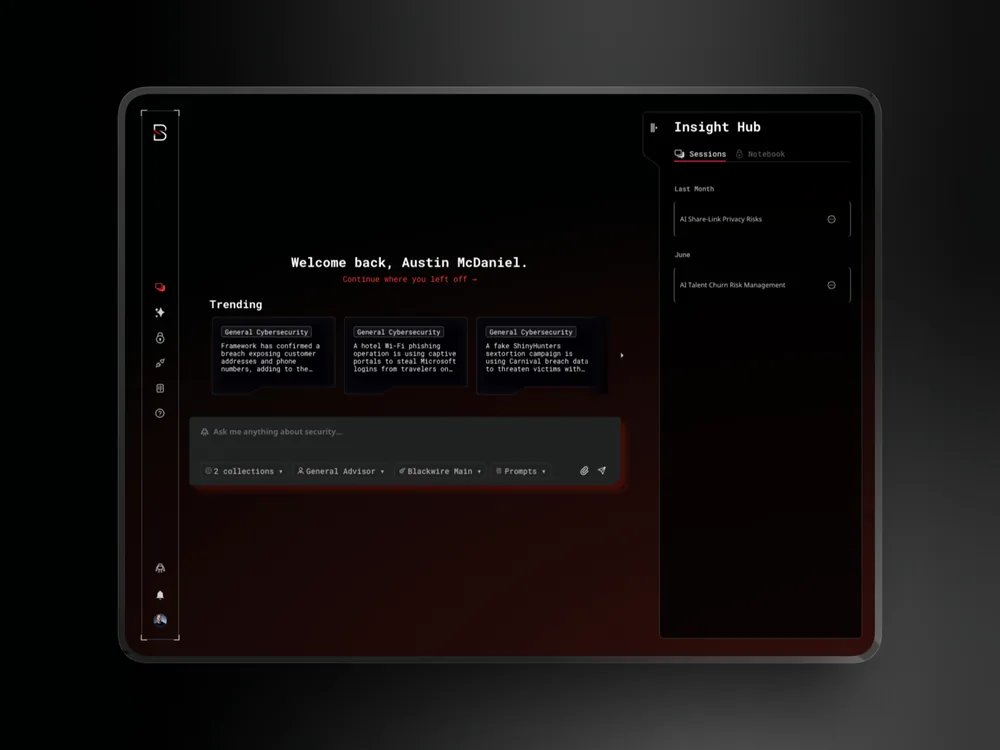
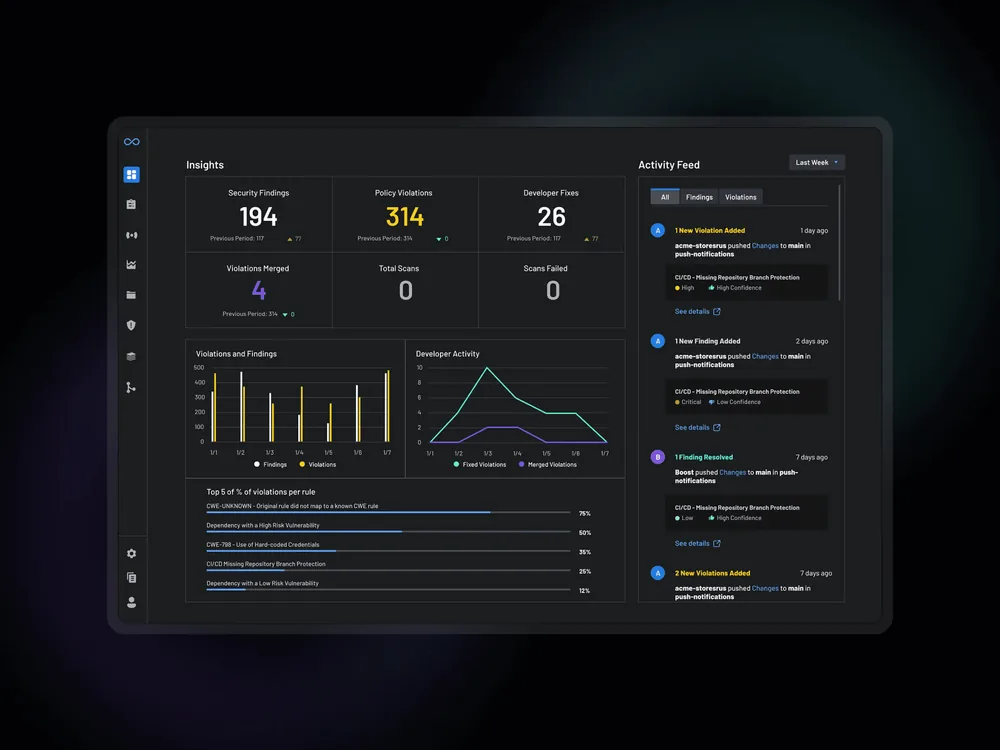
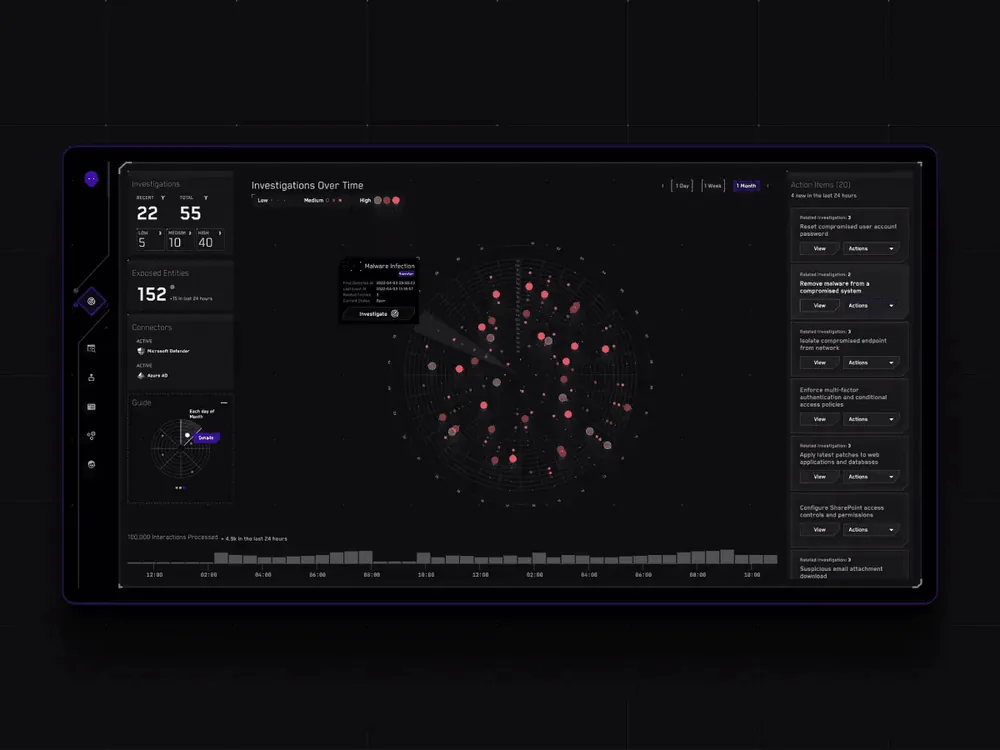
Direct answers.
01Do you work in our repo, or hand over a zip?
Your repo, your branch strategy, your CI, normal pull requests reviewed by your team. Nothing is developed somewhere else and dropped on you at the end.
02What stack do you work in?
React and TypeScript most often, with Next.js when the product calls for it, and Vue, Angular, or Svelte when that is what your team runs. We match the patterns your codebase already holds rather than importing our own, and deploy wherever you already deploy.
03Can you take over code an AI wrote?
Yes, and it is most of what we do now. We read it first, tell you what is salvageable, and rebuild the parts that will not survive real state, real permissions, or real data volume.
04Do you do back-end work, or just front-end?
We focus on the front end: the UI, client state, the data-fetching layer, and the integration against your APIs. We are not your back-end or infrastructure team; we build the surface and wire it to what your engineers own.
05We have our own engineers. Where do you fit?
Your team keeps the domain logic, the part only they can write. We take the surface work that keeps getting bumped for it. In practice that means we are additive capacity on a defined workstream, not a second opinion sitting in your standups.
06Who owns the code?
You do, from the first commit. It is in your repo under your license with no dependency on us to keep running.
07Do you do design too?
Yes. When design and build are bundled, the design work comes at a reduced rate. Nothing gets lost in handoff because there is no handoff.