Know what to build next. And what to stop building.
Three months inside your product with senior people who have shipped and sold in your market. We interview your team and your customers, then come back with a sequenced call, a prototype, and a readout we defend in the room.
Free · 30 minutes, and you keep our read on your top three bets.




Product strategy
Positioning, scope, and the sequence of bets: what to build first, and what to refuse.
Roadmap and prioritization
The next two quarters framed around outcomes, not a backlog of features.
Art-of-the-possible prototypes
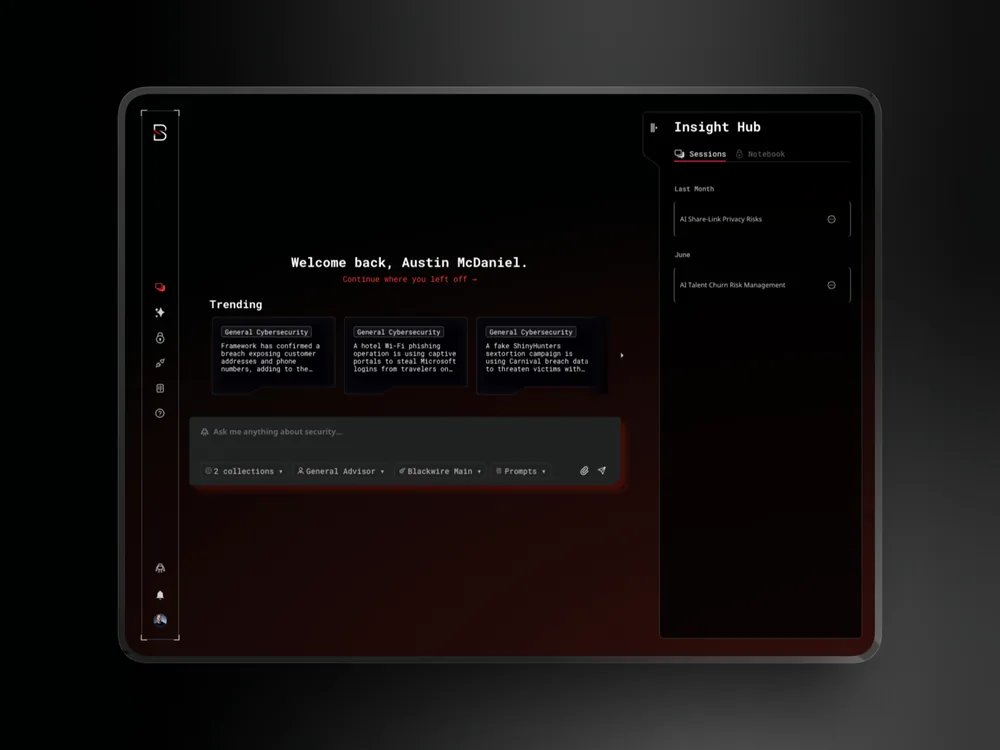
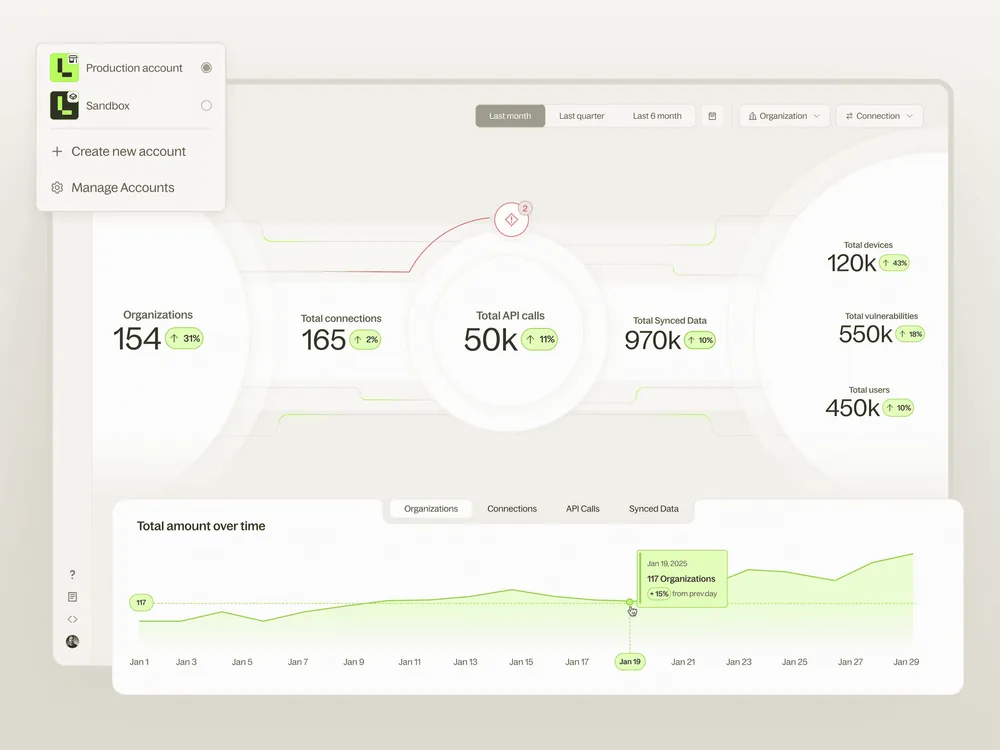
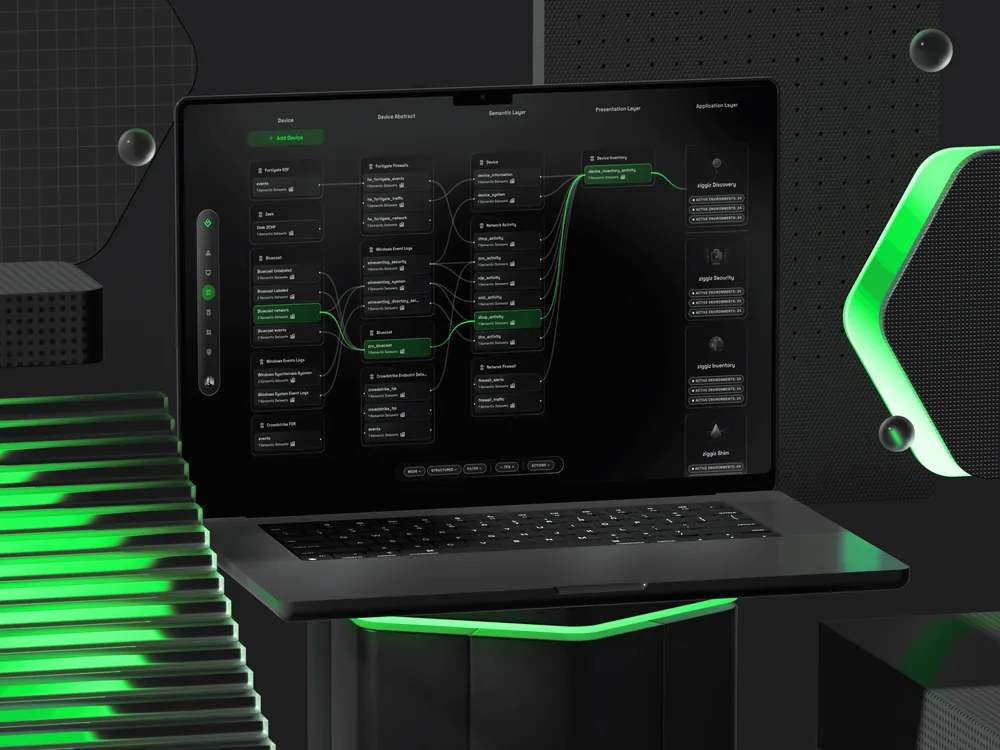
A clickable version of what the product could become, built on your real data model so the team argues with something real.
Technical due diligence
Architecture and feasibility reviews for founders and investors, in language a board understands.
Competitive teardowns
An honest read on where you win, where you lose, and what the category already looks like.
Executive design review
Senior eyes on critical work before it ships, so expensive mistakes get caught while they are still decisions.
Every month has a deliverable attached to it.
A three- or six-month engagement, with a named artifact at the end of every month, so you always know what each one delivered.
Immersion and interviews
We get inside the product and run 5–10 interviews: your engineers, your AEs, your support lead, and your customers, including the ones who left.
You: Customer intros and a product login. About 2 hours.
Synthesis and prototype
Findings sorted by risk and sequenced by what unblocks what. Then we build the clickable version of what the product could become, on your real data model.
You: One review call, 60 minutes.
Readout and the call
Presented and defended live, with a written reason behind every cut. You keep everything.
You: 90 minutes, with the right people in the room.
Alongside you while you act
We stay on as the calls get executed: reviewing what ships, adjusting the sequence as reality lands, and pressure-testing the next decision instead of the last one.
You: A standing 45 minutes a week.
Total from your side: about four and a half hours across the three-month read. Customer intros, one review, and the readout. Add a standing 45 minutes a week if you extend.
In hand when we are done: the findings document · the sequenced roadmap · the clickable prototype · the recorded readout.
Where you stand at the end of month three.
Outcomes, not artifacts. The documents are how you keep them.
Everyone is on the same page
Founders, product, and engineering heard the same customers and argued with the same prototype instead of with each other. The direction is shared, not handed down.
You know it is worth building
Every recommendation traces back to a customer interview or a market read you can go and check. Not a hunch, and not a competitor’s feature list.
You have a working prototype to build against
Clickable, and built on your real data model. Engineering starts from something the whole team has already seen and argued over, not from a document nobody read.
Your team can take it from here. Or we can.
Most clients build it themselves from the prototype and the sequencing. If you want hands, our design and engineering teams pick it up with nothing lost between the recommendation and the build.
The people in the room are the people who made the call.
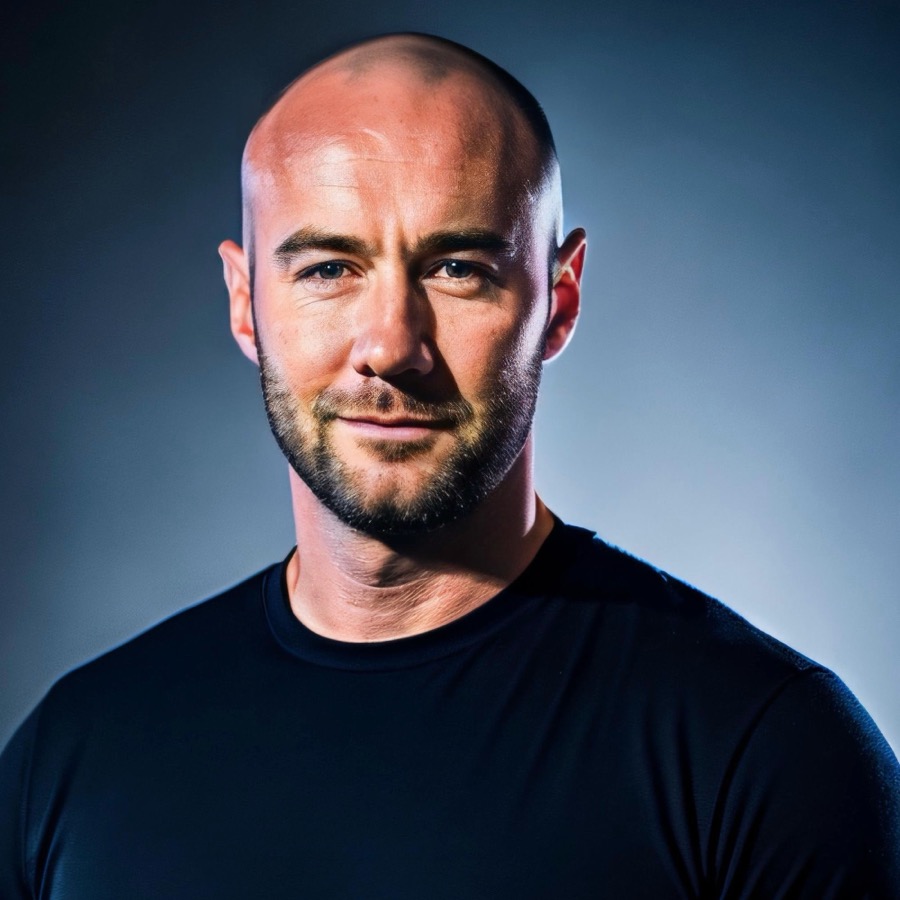
Austin McDaniel, Founder & CEO
Over a decade in cybersecurity: co-founded Swimlane, the first SOAR platform, and CRFT, acquired by Flashpoint, with earlier work for RSA, the Department of Defense, Mastercard, and Archer. Four patents in security product design and open-source work with over 5,000 GitHub stars, plus a run on Google’s Angular team building Material Design.
Sometimes not. Here is how to tell.
The comparison is not the engagement against zero. It is the engagement against a quarter of engineering pointed at the wrong four things, which is the more expensive of the two by an order of magnitude.
- Your roadmap has more items than quarters and no agreed order
- You shipped an AI feature and cannot tell whether it is landing
- Two teams describe what the product is for differently
- You are about to commit a quarter of engineering to a bet nobody has pressure-tested
- An investor is asking questions you currently answer with a slide
- You already know what to build and need hands. That is a design sprint
- You want one opinion on one question. Book the free walkthrough instead
- You have no customers yet. Go talk to twenty, then come back
- The decision is already made and you want cover for it
Two clients on the work.
Austin and his team bring genuine depth in the cybersecurity space, which means they understand what our users actually need before we have to explain it. The result is a team that delivers with the speed of automation and the judgment of experienced practitioners.
Good Code does awesome work for us! Our product will be way better and faster to market for working with them. Easiest money we have spent.
Advisory work.
Direct answers.
01Can’t we just ask AI what to build next?
AI will give you a confident answer to any roadmap question, but it has never talked to your customers, sat in your market, or shipped a security product. Advisory is the opposite: the recommendation comes from evidence we go and gather (your team, your customers, your competitors) and from people who have shipped and sold in your space. AI gives you an opinion; we go find out what is actually true.
02Should we do three months or six?
Start with three unless you already know you want us alongside the execution. Three months gets you the read and the sequenced call. Six adds the months where the calls meet reality: what shipped, what did not work, what the next decision should be. You can extend after month three; you cannot un-spend month four.
03Will you tell us to hire you for the build?
Only if that is the answer. Most engagements end with your own team building from the sequencing and the prototype. If the right next step is in-house, or nothing at all, we say so and write down why. Build work is quoted separately, after the readout.
04What happens when the engagement ends?
You keep everything: findings, prototype, sequenced roadmap, recorded readout. From there, three doors: your team executes, we continue monthly, or we build it. Most clients take the first.
05Is this a slide deck?
No. Interviews, a written document, and a prototype you can click. The readout is live and defended. The sequencing is the point: the order you should do things in.
06How is this different from hiring a consultant?
Consultants tell you. We show you. The recommendations come from people who have shipped and sold security products, they arrive as a prototype your team can react to, and we can build what we recommend if you want us to.
07What if we disagree with the findings?
Then we defend them in the room. That is what the live readout is for. You should leave able to argue the call yourself, or able to show us where we are wrong.
08What else falls under advisory?
Technical due diligence for investors and acquirers, competitive teardowns, executive design review, and roadmap sequencing on its own. Same motion every time: evidence first, then a recommendation you can act on.