From nothing to unmistakable.
Logo, system, and guidelines your team can run without us. Every mark here started as a blank file and a scoping call.
Free · you keep the teardown either way.











Logo and wordmark
The mark, the lockups, and the sizes it actually gets used at: favicon, avatar, conference badge, and the corner of a dashboard.
Typography
A type system with a display face, a workhorse, and a mono. Your product has data in it, and most brand type systems have no answer for that.
Color
A palette that survives a dark UI, meets contrast requirements, and still has room for severity states that mean something.
Brand tokens
The whole system as named variables your engineers implement directly. Not a PDF of hex codes someone retypes into CSS.
Applications
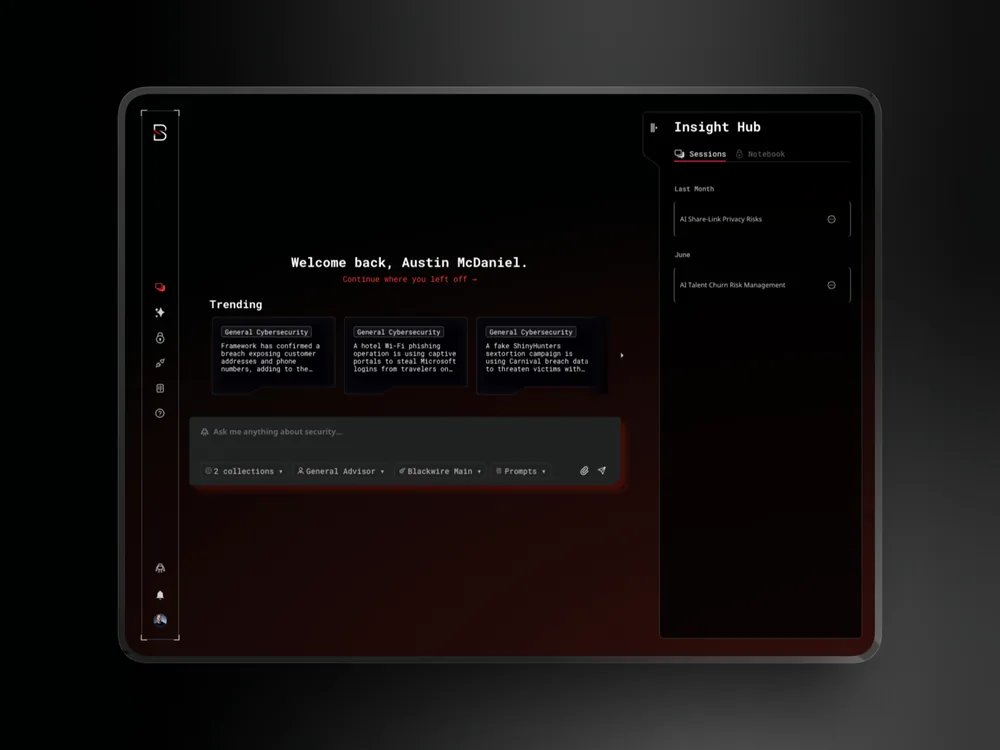
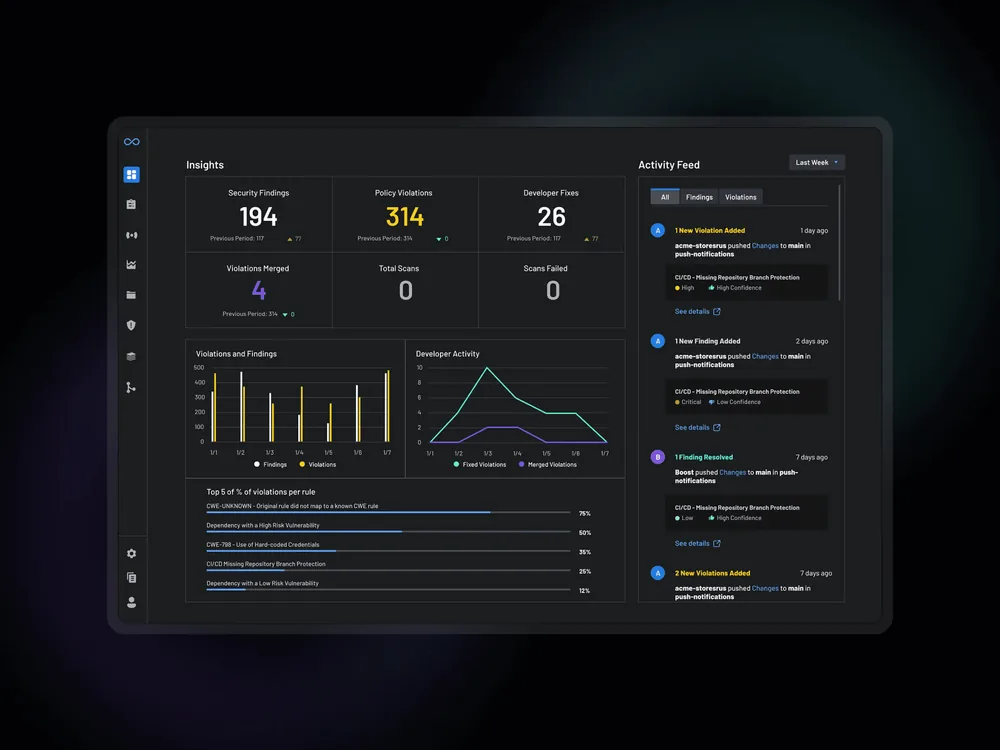
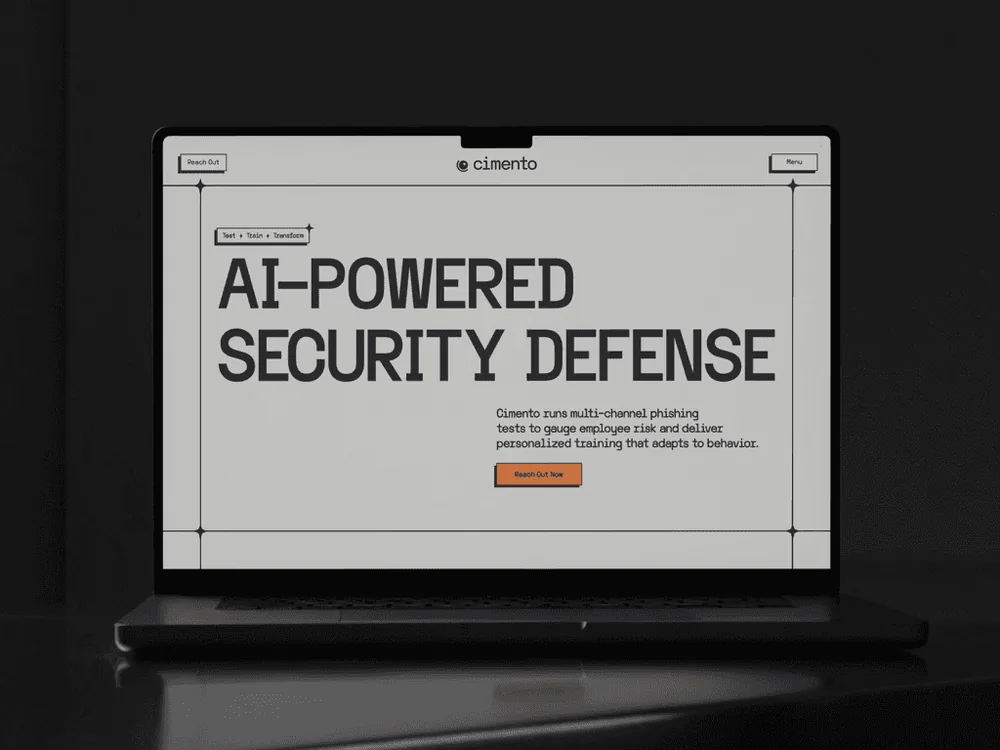
The set you will need in the first month: deck template, social and event graphics, one-pagers, and the product surfaces that carry the mark.
Guidelines and handoff
Short, usable rules for the decisions people actually face, with the reasoning your team needs to extend them without calling us.
From first sketch to a complete identity in ten days.
One fixed fee, set before day one, so it does not move and neither does the date. Applying the identity across a site or product is scoped separately as design sprints.
Absorb
What you sell, who buys it, what the category already looks like, and what you are trying not to look like.
You: one working session, 90 min
Explore
Three directions, each shown in place: on a screen, a deck, and a badge, not floating on white.
You: one review, 60 min
Refine
One direction taken to finished: lockups, type scale, palette, and the states the product needs.
You: one review, 60 min
Deliver
Files, tokens, applications, and guidelines, walked through with whoever has to use them.
You: one handoff session, 60 min
Total from your side: about four and a half hours across the two weeks. One working session, two reviews, and a handoff.
Companies arrive in one of three states.
Almost every engagement starts as one of these. If you recognize yours, the sprint more or less scopes itself.
The brand a founder made in an afternoon
It did its job for three years. Now there is a Series B, an enterprise buyer, and a competitor whose deck looks like it costs more than yours does.
You know it is this one when: someone apologizes before opening the deck.
A logo, and nothing behind it
There is a mark and maybe a color. Every deck, every booth, and every screen was made by a different person making it up again, so nothing looks related.
You know it is this one when: two slides from the same quarter use different blues.
The brand stops at the marketing site
The homepage looks like a company worth $200 a seat. The product behind the login looks like a different company entirely, and buyers notice during the trial.
You know it is this one when: the sales demo skips straight past the dashboard.
GoodCode, or build it in-house.
The real comparison is not us against another studio. It is us against a headcount you carry all year, before a single thing ships.
Branding work.
Direct answers.
01Can’t we just generate a logo with AI?
You can generate a mark in an afternoon. Most founders already have. What AI cannot do is the system underneath: the type that holds on a dense dashboard, the color that survives a dark UI, the tokens your engineers implement, and the judgment to keep it consistent across the next hundred things you make. A logo is the easy part; the system is what decides whether you look like a company.
02How many directions do we see?
Three, each shown in place rather than on a white background: a product screen, a deck slide, and something physical. A mark that only works in a presentation is not finished.
03Do you do naming, or messaging?
No. This is visual identity. If you need positioning and messaging first, we will tell you that before taking the project. The identity is much better when it comes second.
04What if we do not like any of the directions?
You choose the direction from the three explorations before we finish anything, so a wrong turn is caught early and cheap. If none of the three is right, we regroup on direction rather than push a mark you do not believe in.
05What do you mean by brand tokens?
Your color, type, spacing, and radius decisions arrive as named variables in the format your front end uses, so implementing the brand is an import rather than a translation exercise. It is why the brand still looks like the brand three releases later.
06Can you apply it to our website and product?
Yes, as design sprints after this one, and our engineers can build it. Same team, so nothing is lost between the brand and the thing people actually use.
07We have a logo we like. Can you keep it?
Often, yes. Plenty of engagements keep the mark and build everything else around it. We will say honestly whether it is worth keeping rather than selling you a redraw you do not need.
08Who owns the files?
You do. Source files, exports, tokens, and templates. No license, no ongoing fee, and nothing that stops working if you never speak to us again.