Austin McDaniel · May 4, 2026
Claude Design Is Just Claude Code Wearing a Designer Hat
Anthropic shipped Claude Design a couple weeks and the socials lost it. New release. Slick demos. Everyone calling it the Figma killer.
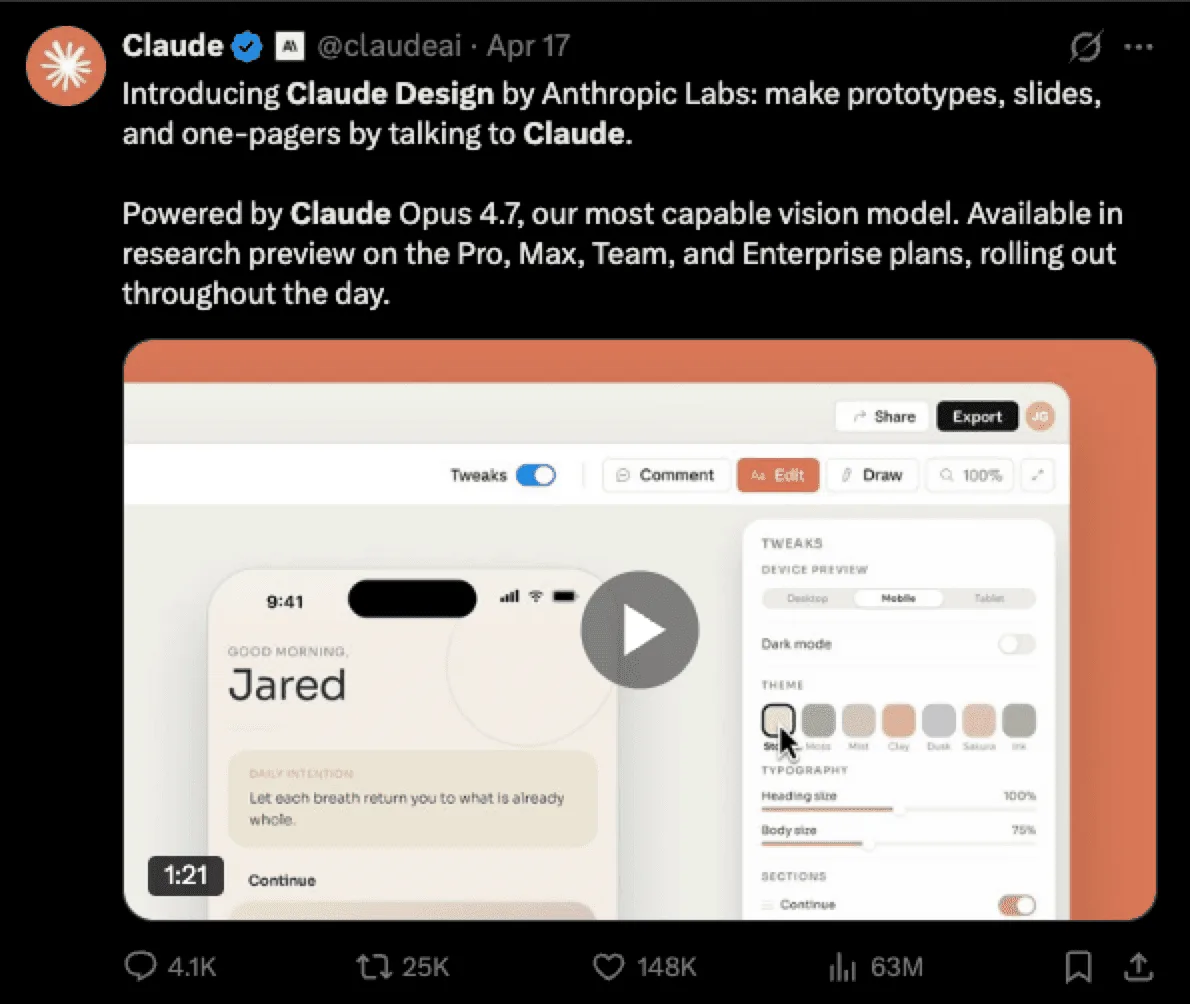
I'll be blunt — it's not. It's Claude Code with a UI swap and a different audience.
That's not a knock. It's actually useful for what it is. But if you're a product builder, designer, or developer trying to figure out where this fits in your workflow, you need to understand what it actually is before you decide what to do with it.
It's the Figma Playbook
Anthropic is going public this year. Watch what Figma did pre-IPO and you'll recognize the move. Retool the UI for different personas — devs, slide-makers, website-builders — and rack up seats.
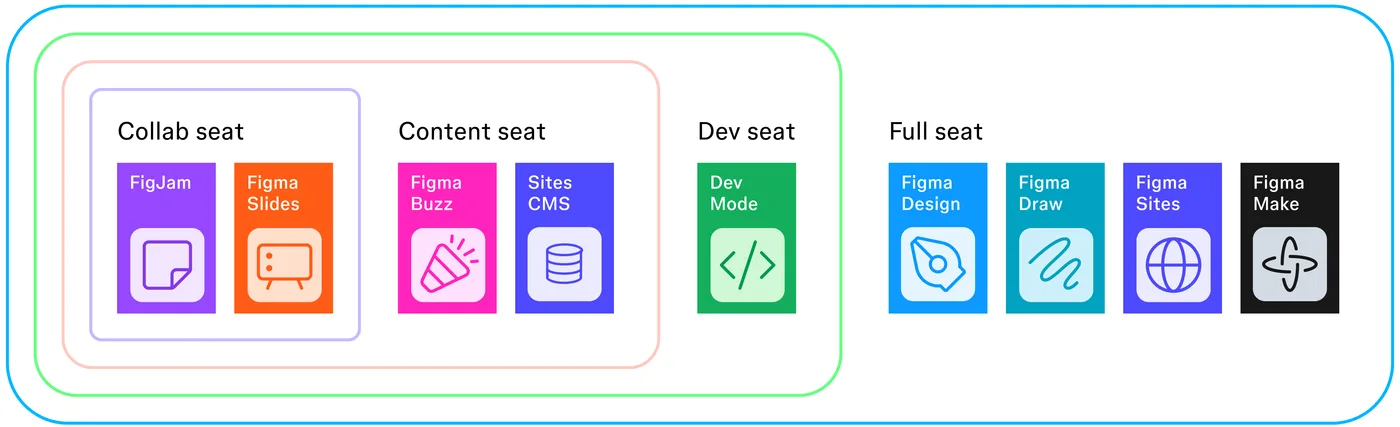
Each persona feels like they got a custom tool. Each one is mostly the same engine wearing different clothes. A few of those Figma surfaces felt half-baked when they shipped, and Claude Design has the same energy.
It's Generating Code, Not Designing
Here's what nobody is saying clearly enough: Claude Design isn't designing anything in the way Figma designs things. It's generating HTML, CSS, and JavaScript and rendering the result. The "design" you see is a webpage.
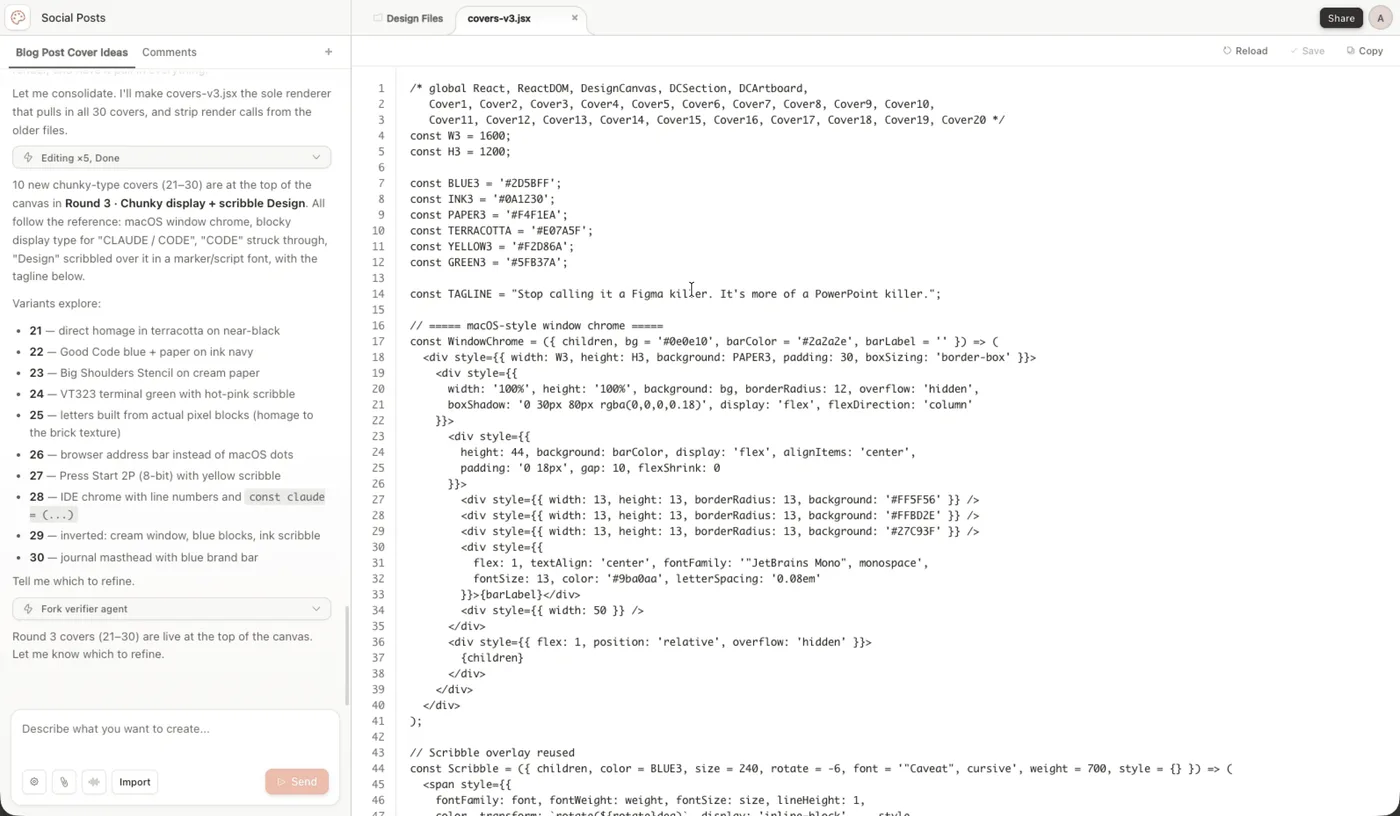
You could argue that's fine — you don't ship Figma files, you ship code. Sure. But that argument falls apart the second you try to make something visually distinctive.
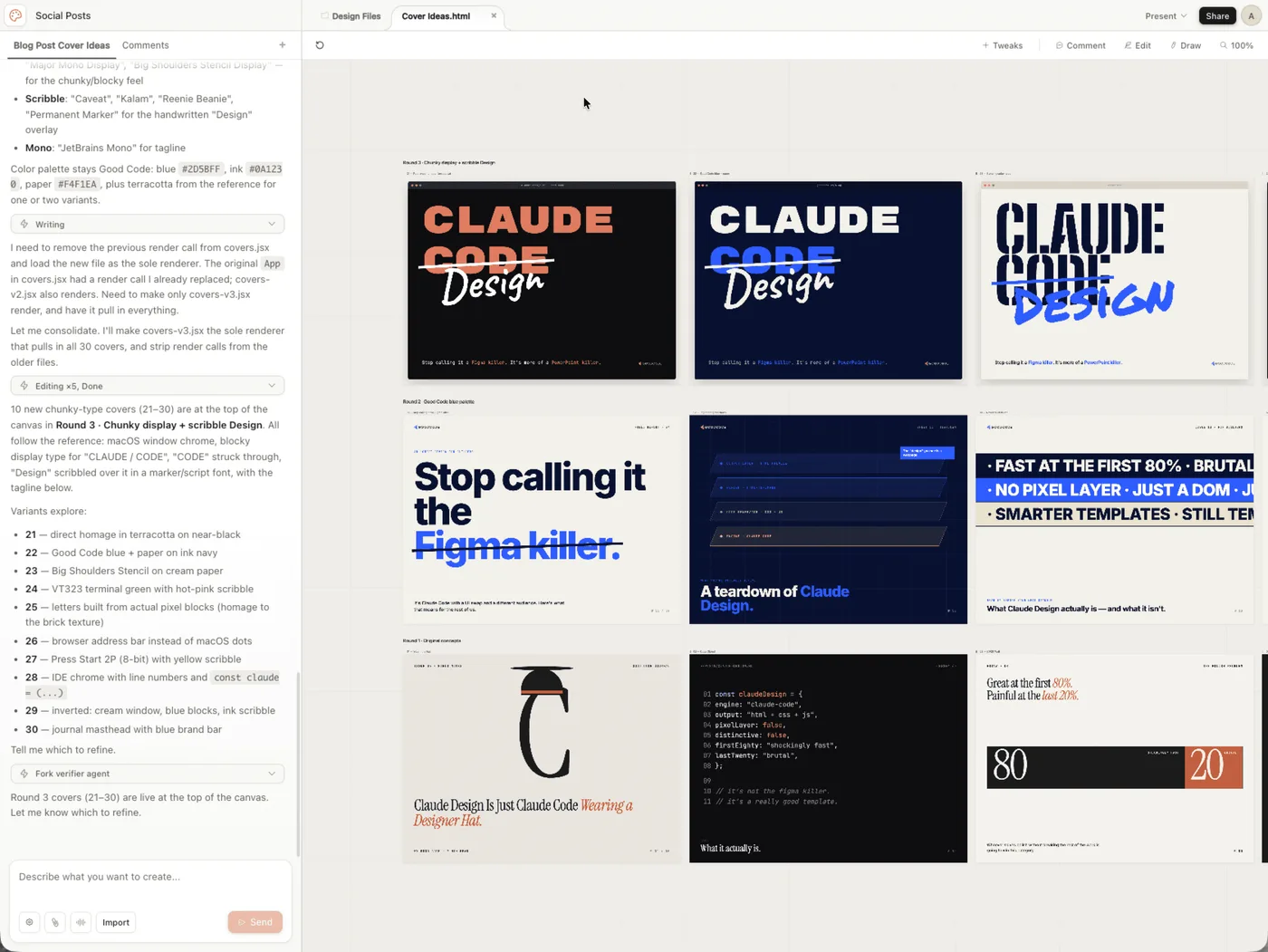
We tested it on our own logo. Custom font, specific kerning, particular feel. Claude Design couldn't get close. Any basic image gen model — OpenAI, Google, Midjourney — would have nailed it on the first try. That's not Claude Design's fault exactly. It's the architecture. It doesn't have a pixel layer. It has a DOM.
When you do need an image asset, it runs html-to-image under the hood. Which works. But it's the design equivalent of taking a screenshot of a Word doc and calling it a graphic.
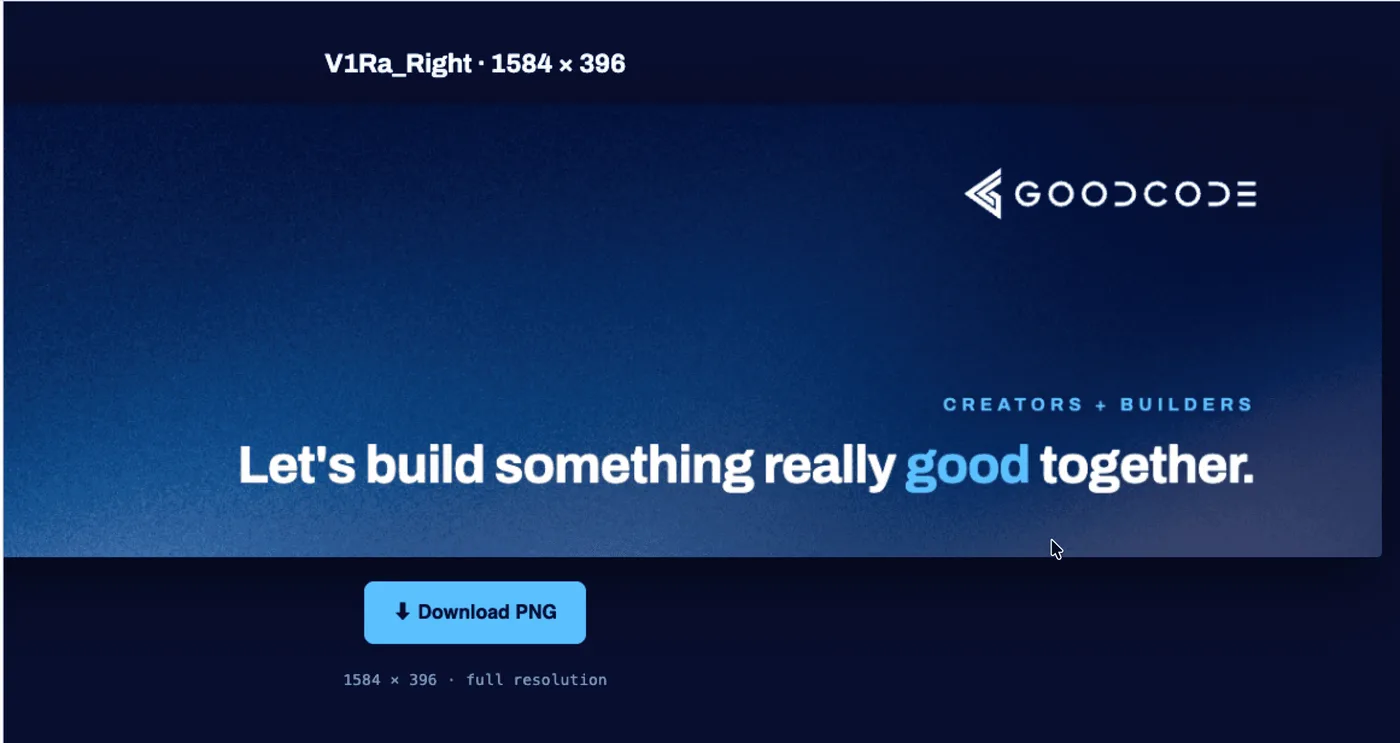
The result: output that looks more like PowerPoint or a clean Notion page than something that came out of Figma. Functional. Sometimes pretty. Rarely distinctive.
To unlock truly novel design output, Anthropic would need to ship an image generation model purpose-built for this — and that's a massive lift. I don't see it happening anytime soon.
Great at the First 80%. Painful at the Last 20%.
Talk to anyone who's used Claude Design on a real project this week and you'll hear the same story. First 80% is shockingly fast. Last 20% is brutal.
One founder I know ran 3-4 months of design work through it in a week. Got to 80% in no time. Then he hit the wall. Cram refinements into one prompt and it'll wreck enough other stuff that you regret asking. There's no undo. So you make smaller changes, which means more prompts, more babysitting, more tokens.
This is the pattern with every generative design tool right now — fast at first cuts, painful at polish. Claude Design isn't different. Whoever solves polish without breaking the rest of the work is going to win this category. This isn't that tool yet.
How Should It Be Positioned
Our designer Kyle put it better than Anthropic's marketing did. His take: Claude Design is for someone who knows what they want but doesn't know graphics. Your mom building a sales deck. The PM who needs a landing page mock by Thursday. The founder who needs a LinkedIn banner that doesn't look like 2014.
That's a real audience. It's just not the audience Anthropic is implying.
If you're a designer worried about your job — relax. Claude Design isn't taking Figma seats from people who design for a living. It's taking PowerPoint moments. It's making the next one-off graphic less tedious. That's the win.
What to Do With It
A few takes for product teams:
If you're shipping marketing pages, internal tools, or anything where the design ceiling is "clean and competent," Claude Design will save you days. Use it.
If you're building a product where design is the moat — where the difference between you and your competitor is taste, distinctiveness, brand — Claude Design won't do that work. The pixel-perfect, opinionated, "this couldn't have come from anywhere else" stuff still requires a human who can see and a tool that can paint.
And if you're a designer, the move isn't to compete with Claude Design on speed. It's to compete on what it can't do — system thinking, brand coherence, the work that shows up after the first screen looks fine.
Smarter Templates. Still Templates.
Claude Design isn't the future of design. It's the next generation of templates. More flexible. Better at intent. Still templates.
That's not a bad thing. Templates are useful. But if you're using Claude Design and thinking "this is going to replace my design team," you're going to ship something that looks like every other Claude Design output on the internet. In a market where the bar for "good enough" keeps rising, that's a real problem.
At Good Code, we work with a lot of early-stage cyber and high-tech companies where design is the difference between getting a meeting and getting ignored. Tools like Claude Design have a place in that stack — for moodboarding, for fast internal mocks, for the landing page we don't want to spend a week on. They're not the work. They're the warmup.
If you're building something where the design has to actually carry weight, that's still a human job. For now.
Final Thoughts
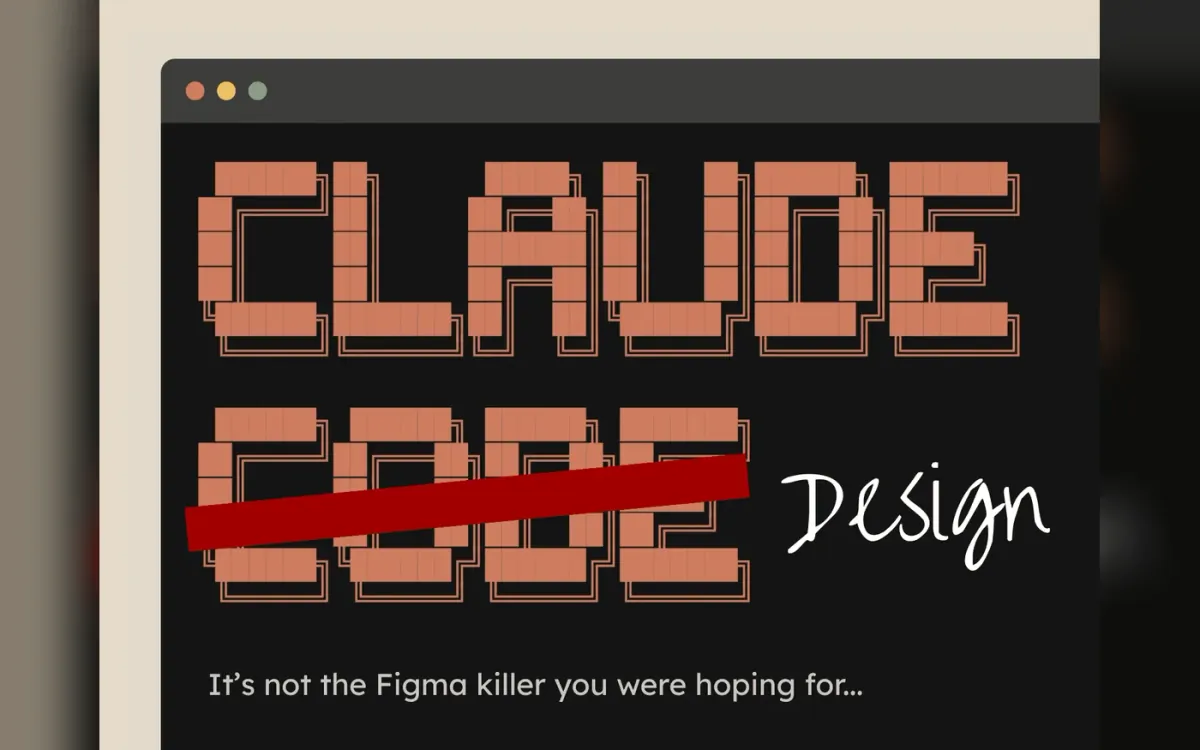
We tried to have Claude Design generate the cover image for this post. It had some genuinely clever ideas. We ended up copying it into Figma to actually finish the thing. Make of that what you will.